Addiction Commonality

Alcohol, Opiates, Fat and Sugar are all Addictive Substances: this blog is about that "addiction sameness".

Butter Pig Family

* A butter sculpture of a sow and her piglets

Sunday, February 9, 2014

Shamed for getting thin:


“Biggest Loser’s” weight-loss firestorm

How much is "too much" to win a reality show?

 
Shamed for getting thin:  
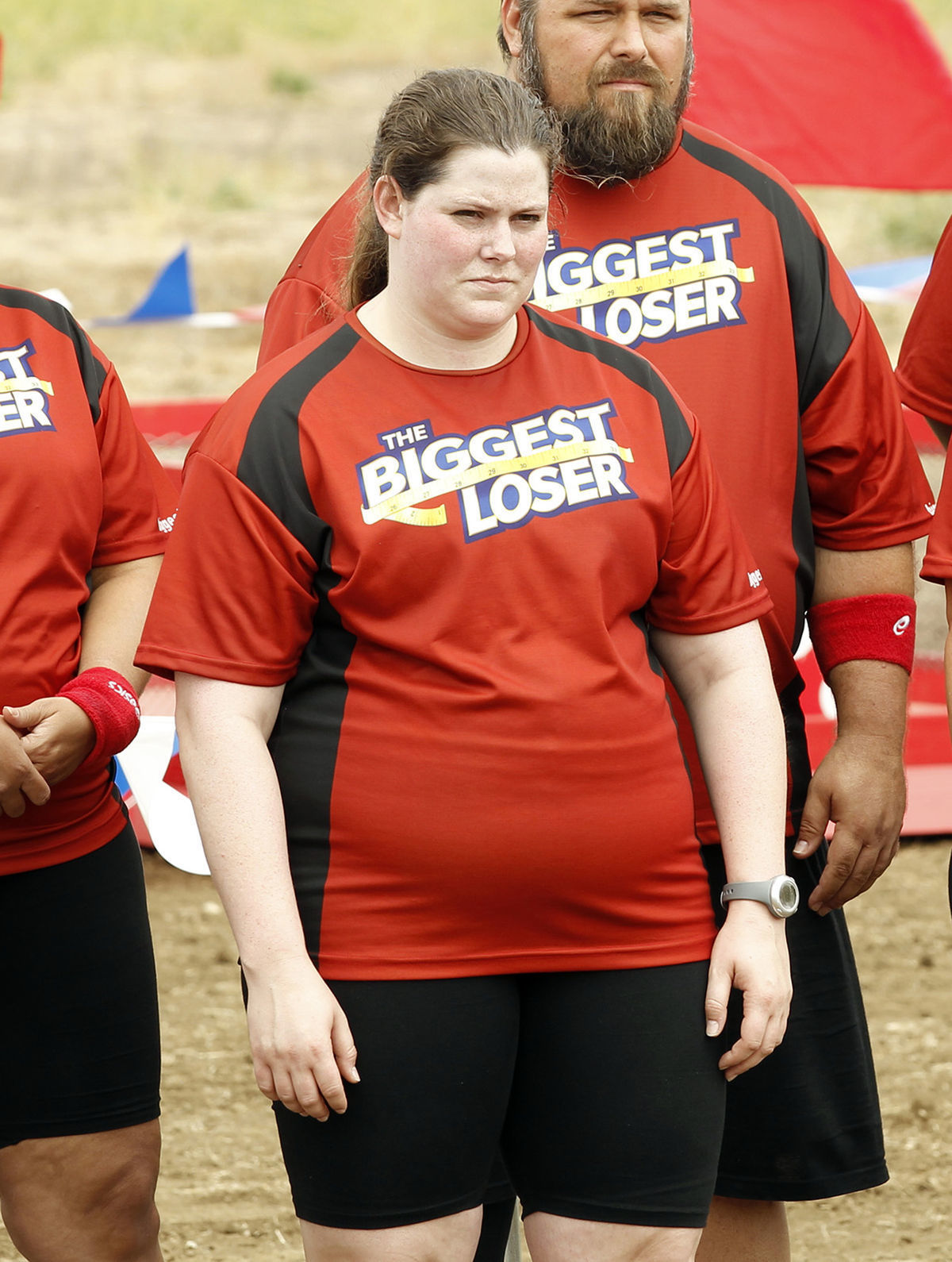
Rachel Frederickson (Credit: AP/Trae Patton)


How do you win at “The Biggest Loser”? By losing the most weight, of course. Unless you lose too much, in which case you’re also a loser.

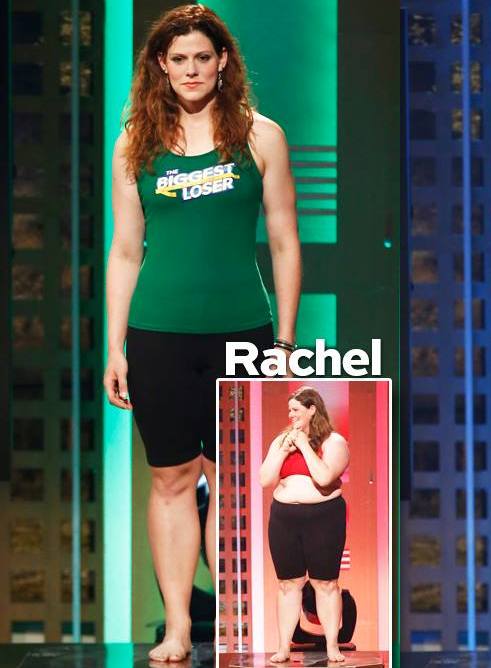
Such is the fate of Rachel Frederickson, who triumphed on Tuesday night’s finale of the competitive weight loss show  after shedding  a dramatic 155 pounds from her starting weight of 260 pounds, nearly 60 percent of her original weight. 

It’s the highest percentage of weight lost by any contest in the show’s history.  And even the show’s trainers Bob Harper and Jillian Michaels couldn’t contain their shock when she emerged, transformed and slender.

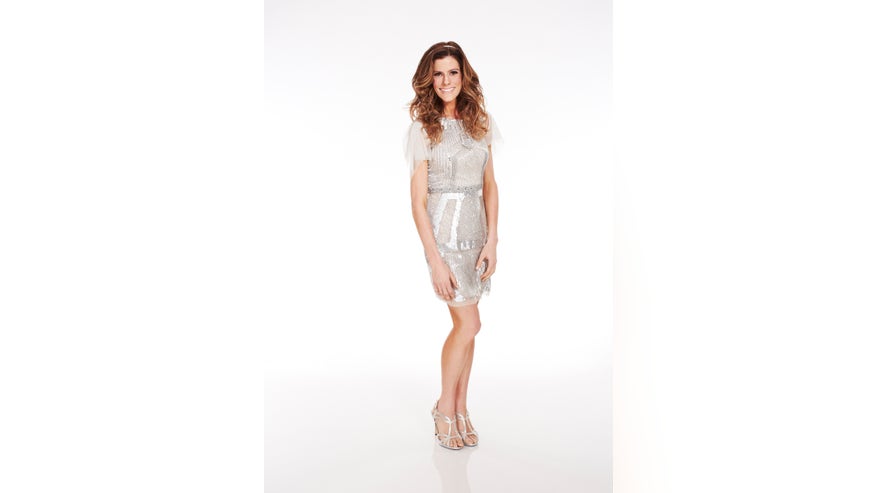
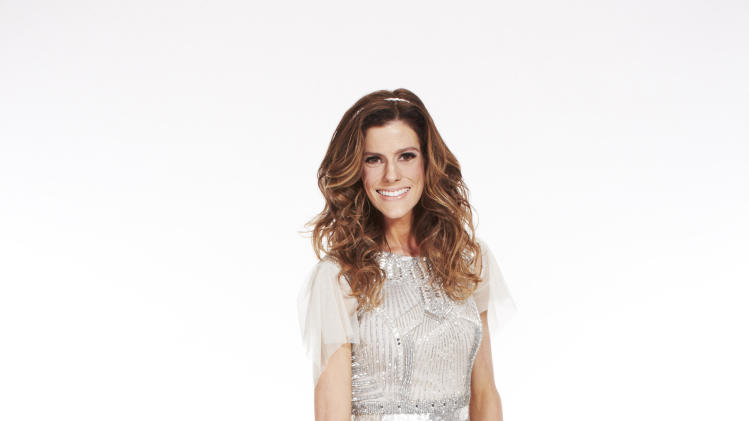
And from the moment Frederickson appeared in her slinky, silver dress the controversy and concern trolling began.

 “‘Biggest Loser’: Uproar as winner appears ‘too thin’ at 105 pounds” blared the LA Times.

 Zap2It, “Why was Rachel Frederickson allowed to lose too much weight?” 

... Twitter erupted into fretting over the “sickly,” “eating disorder” new version of the former competitive swimmer.

Frederickson described herself as now in maintenance mode...

There is no denying that dangling a quarter of a million dollars in front of overweight people as an incentive to get as thin as possible as quickly as possible is not the most practical or sensible plan ever invented for long-term health.

Nor is it the kind of thing most people can apply to their own experience. 

But a show about quietly making small changes over a lengthy period of time and preaching that changing your body takes hard work and discipline,  wouldn’t sell.

There are serious ethical questions to be asked regarding whether the rigors of the competition are putting the players in physical danger and whether the narrative is sending an unrealistic message to viewers. 


Read More @ Link:  http://www.salon.com/2014/02/06/shamed_for_getting_thin_biggest_losers_weight_loss_firestorm/


Mary Elizabeth Williams is a staff writer for Salon and the author of 
"Gimme Shelter: My Three Years Searching for the American Dream." 

Follow her on Twitter: @embeedub.


Rachel Frederickson wanted to Win Biggest Loser: But at what cost to her health?


 Loser Frederickson.jpg

 This image released by NBC shows contestant Rachel Frederickson from "The Biggest Loser." Fredrickson lost nearly 60 percent of her body weight to win the latest season of “The Biggest Loser” and pocket $250,000. A day after her grand unveiling on NBC, she faced a firestorm of criticism in social media from people who said she went too far. (AP Photo/NBC, Trae Patton)
This image released by NBC shows contestant Rachel Frederickson from "The Biggest Loser." Fredrickson lost nearly 60 percent of her body weight to win the latest season of “The Biggest Loser” and pocket $250,000. A day after her grand unveiling on NBC, she faced a firestorm of criticism in social media from people who said she went too far. (AP Photo/NBC, Trae Patton)

Flabbergasted by155-pound weight loss:

Bob Harper admits he was flabbergasted by “The Biggest Loser” contestant Rachel Frederickson’s 155-pound weight loss. The trainer told Rachel Ray during a taping for an episode airing February 13 that he was astonished by the dramatic finale, reports US magazine.

“I was stunned,” he confessed. “That would be the word. I mean, we’ve never had a contestant at 105 pounds.” When the cook and talk show host asked him about fans criticism that the season 15 winner was emaciated he responded, s, when the contestants leave to go home…they’re in charge of themselves. I had not seen her until that night, and so when she walked out, I was just kind of like, ‘Whoa.’ And I’ve been on the show since the beginning, forever.”


However Dolvett Quince, her trainer on the show defended Frederickson’s dramatic weight loss on Facebook.

"Biggest Loser is a journey which has its ups and downs," he wrote. 

"Please try not to look at one slice of Rachel's journey and come to broad conclusions. 

Rachel's health is and always has been my main concern and her journey to good health has not yet ended!!"


Rachel Frederickson wins The Biggest Loser


Thursday, February 6, 2014

Sugar Scare: Why Calories May Be the Least of Your Worries About Sweeteners

Takepart.com


That sweet tooth won’t just add to your waistline or put you at risk for tooth decay—researchers say that too much of the sweet stuff may kill you.
That’s according to a new study out in the journal JAMA Internal Medicine that found Americans who get 25 percent or more of their calories from added sugar are nearly three times more likely to die of heart disease than those who consumed less than 10 percent—the amount recommended by the World Health Organization.
The study is the first of its kind to link added sugar consumption to death.
Head researcher Quanhe Yang of the Centers for Disease Control and Prevention looked at 15 years' worth of data gathered from 31,000 people who participated in the National Health and Nutrition Examination Survey. They found that 70 percent of adults exceed WHO’s recommendation that added sugar be limited to under 10 percent of daily calories, making them more likely to die of heart disease.
If you think getting 25 percent of your calories from sugar is a lot, it is—but getting there absentmindedly can be surprisingly easy. A sweet granola bar or two for breakfast; a supersized soda with lunch; a couple of chocolates at the office; and a slice of cake as a late-night snack can do it. Added sugars lurk in unexpected places too, including sweetened fruity yogurts, nonfat salad dressings, and spaghetti sauces.
Whether the added sugar comes from high fructose corn syrup, beet or cane sugar, or something as natural as honey doesn’t matter—the study included all foods that were sweetened.
“What’s tricky is the FDA does not require manufacturers to put added sugar on the label,” says Rachael Johnson, spokesperson for the American Heart Association and University of Vermont professor of nutrition.
To avoid listing sugar as the first ingredient on the ingredient panel, Johnson says food makers often list five or six kinds of sugar separately instead. The FDA has been petitioned to address the problem, she says, but no action has been taken. And of course, naturally occurring sugars in fruit aren't flagged either.
“What the study says is that eating too much sugar isn’t good for you. That’s hardly news,” says Marion Nestle, New York University professor of nutrition. But she says the study reinforces the benefits of limiting added sugars.
“Just about everyone would be healthier eating less sugar, but less is not the same as none. Ten percent of calories for most people means 50 to 80 grams of sugars a day, or 12 to 20 teaspoons. A bit more won’t raise the risk by much. Soft drinks have slightly under a teaspoon of sugar per ounce, so drinking less of them is a good first step,” says Nestle.
Indeed, the study found that 37 percent of added sugar in our diets comes from sugar-sweetened beverages, followed by grain-based desserts, fruit drinks, dairy desserts, and candy.
No surprise, the beverage industry responded swiftly to the new study. After taking credit for an overall decline in adult consumption of added sugars thanks to the industry's increased focus on providing more low- and no-calorie options, the American Beverage Association maintains the study is flawed.
“Heart diseases are a complex set of problems with no single cause and no simple solution. When it comes to risk for heart disease, there is nothing unique about calories from added sugars, or sugar-sweetened beverages for that matter,” says the group in a statement. “This is an observational study which cannot—and does not—show that cardiovascular disease is caused by drinking sugar-sweetened beverages.”
But Yang tells TakePart that the study isn't focused on only sweet drinks—it examines all added sugars, including hidden sugars that Americans consume.
"Most previous studies have focused on sugar-sweetened beverages but not total added sugar, and none of these studies have used national representative samples to examine the relationship between added sugar intake and cardiovascular disease mortality," says Yang.


 Link: http://news.yahoo.com/sugar-scare-why-calories-may-least-worries-sweeteners-003544281.html;_ylt=A0SO80j.3fJSFQcArh1XNyoA;_ylu=X3oDMTB0NTNmNWw0BHNlYwNzYwRjb2xvA2dxMQR2dGlkA1ZJUDEzMV8x


Related stories on TakePart:


• Attack of the Sugar Zombies!
• Jane Says: It’s Sugar That’s Bad for You—Not Sugarcane and Its Byproducts
• Jane Says: 130 Pounds of Sugar a Year Is Way, Way Too Much
• Watch This Soda Exec Get Grilled About Coke's Sugar Content
• Jane Says: All Sugar Substitutes Are Not Created Equal

Original article from TakePart


Thursday, January 30, 2014

Fat Chance: Fructose 2.0


Published on Oct 18, 2013

(Visit: http://www.uctv.tv/)
Dr. Robert Lustig, UCSF Division of Pediatric Endocrinology, updates
his very popular video "Sugar: The Bitter Truth." He argues that sugar
and processed foods are driving the obesity epidemic, which in turn
affects our endocrine system. Series: "UCSF Osher Center for Integrative
Medicine presents Mini Medical School for the Public" [10/2013] [Health
and Medicine] [Show ID: 25641]

  • Category


  • License - Standard YouTube License 


Cardiac Risks for Older Men Taking Testosterone

Well

Study Adds to Concerns About Cardiac Risks for Older Men Taking Testosterone

By ANAHAD O'CONNOR

A large new study found that prescription testosterone raised the risk of heart attacks, prompting some experts on Wednesday to call for more extensive warning labels on the drugs. 


For more U.S. news, go to NYTimes.com/US »


Wednesday, January 29, 2014

Surprise! Cough medicines don't work

2014


http://bit.ly/1h9nBpf

A 2010 review of studies found that there is no evidence to support using common over-the-counter drugs for cough.

"If they've been working for you thanks to the placebo effect, I apologize for telling you all this." -- Kevin Drum

Sunday, January 19, 2014

The Men Who Made Us Fat Episode 2/3


 ublished on Aug 28, 2012
Jacques Peretti investigates how the concept of 'supersizing' changed our eating habits forever. How did we - once a nation of moderate eaters - start to want more?

Speaking to Mike Donahue, former McDonalds Vice President, Peretti explores the history behind the idea of supersizing. 40 years ago, McDonalds hired David Wallerstein, a former cinema manager who had introduced the idea of selling larger popcorn servings in his Chicago cinema. Wallerstein realised that people would eat more but they didn't like the idea of appearing gluttonous by going back for seconds. By increasing the portion sizes and the cost, he could sell more food. In 1972, he introduced the idea to McDonalds and their first large fries went on sale.

By the 1980s, we were eating more - and eating more often. Perretti speaks with industry professionals to examine the story behind the introduction of value meals, king-size snacks and multi-buy promotions. How did the advertising industry encourage us to eat more often?

The programme also explores the developments in dietary advice - by 2003, the Chief Medical Officer was warning of an 'obesity time bomb.' Peretti speaks to obesity expert Professor Philip James, who made recommendations in his 1996 report that the food industry should cease targeting children in their advertisements. He also speaks with Professor Terry Wilkin, who led a pioneering study into childhood weight gain; and former Labour MP David Hinchliffe, who chaired the 2003 Parliamentary Select Committee on Health.

The Men Who Made Us Fat Episode 3/3


Published on Aug 28, 2012

 
Jacques Peretti examines assumptions about what is and is not healthy. He also looks at how product marketing can seduce consumers into buying supposed 'healthy foods' such as muesli and juices, both of which can be high in sugar.

He speaks with Simon Wright, an 'organic consultant' for Sainsbury's in the 1990s, who explains how the food industry cashed in on the public's concerns around salmonella, BSE and GM crops. By 1999 the organic industry was worth over £605M, a rise of 232% within two years.

How did the mainstream food producers compete? Peretti speaks with Kath Dalmeny, former policy director at the Food Commission, who explains some of the marketing strategies used by mainstream food producers to keep our custom.

The programme also explores the impact of successive government initiatives and health campaigns, such as the proposal of 'traffic light labelling', the introduction of which the food industry lobbied hard against.

But in 2012, when we have an Olympic Games sponsored by McDonalds and Coca Cola, has anything changed?
  • Category

  • License

    Standard YouTube License


 Link: http://youtu.be/ZlQHXkOUjeI

The Secrets of Sugar - the fifth estate - CBC News


Published on Oct 6, 2013
We've heard about the dangers of eating too much fat or salt. But there has never been a warning about sugar on our food labels - despite emerging research that suggests the sweet stuff is making more of us fat and sick.

http://www.cbc.ca/fifth/episodes/2013...

William Davis - Wheat: The UNhealthy Whole Grain


 on Nov 21, 2012
The wheat of today is not the wheat of our mothers or grandmothers. Modern wheat is the product of genetic manipulations that have transformed its properties. Modern wheat is now a 2-foot tall, high-yield semi-dwarf strain, different in both appearance and multiple biochemical features from traditional wheat. Introduction of this new strain of wheat was associated with the appearance of a long list of health problems, along with weight gain and diabetes.

According to Dr. Davis, saying goodbye to all things wheat provides outsized and unexpected health benefits, from weight loss, to relief from acid reflux and bowel urgency, to reversal of diabetes, migraine headaches, and learning disabilities in children.

Dr. William Davis is author of the #1 New york Times bestselling book, Wheat Belly: Lose the wheat, lose the weight and find your path back to health (Rodale, 2011), now debuting internationally in over ten foreign languages. Wheat belly has helped spark a nationwide reconsideration of the conventional advice to "eat more healthy whole grains."

Formerly an interventional cardiologist, he now confines his practice to prevention and reversal of coronary disease in his practice in Milwaukee, Wisconsin. Dr. Davis is a graduate of the St. Louis University School of Medicine, followed by training in internal medicine and cardiology at the Ohio State University Hospitals, and training in interventional cardiology at the Case--Western Reserve Hospitals in Cleveland, Ohio. He is also founder of the online heart disease prevention educational program, Track your Plaque.


Saturday, January 18, 2014

PICS


Quotes: Zorba the Greek and Nikos Kazantzakis

 
 “Every man has his folly, but the greatest folly of all, in my view, is not to have one.”
― Nikos Kazantzakis, Zorba the Greek


“Let your youth have free reign, it won't come again, so be bold and no repenting.”
― Nikos Kazantzakis


“You have your brush, you have your colors, you paint the paradise, then in you go.”
― Nikos Kazantzakis


“For I realize today that it is a mortal sin to violate the great laws of nature. We should not hurry, we should not be impatient, but we should confidently obey the eternal rhythm.”
― Nikos Kazantzakis, Zorba the Greek


“When everything goes wrong, what a joy to test your soul and see if it has endurance and courage! An invisible and all-powerful enemy—some call him God, others the Devil, seem to rush upon us to destroy us; but we are not destroyed.”
― Nikos Kazantzakis, Zorba the Greek


“Life is trouble. Only death is not. To be alive is to undo your belt and *look* for trouble.”
― Nikos Kazantzakis, Zorba the Greek

 
“You can knock on a deaf man's door forever.” 
― Nikos Kazantzakis, Zorba the Greek
 
 
“This is true happiness: to have no ambition and to work like a horse as if you had every ambition. To live far from men, not to need them and yet to love them. To have the stars above, the land to your left and the sea to your right and to realize of a sudden that in your heart, life has accomplished its final miracle: it has become a fairy tale.” 
― Nikos Kazantzakis, Zorba the Greek


“God changes his appearance every second. Blessed is the man who can recognize him in all his disguises.” 
― Nikos Kazantzakis, Zorba the Greek


“Free yourself from one passion to be dominated by another and nobler one. But is not that, too, a form of slavery? To sacrifice oneself to an idea, to a race, to God? Or does it mean that the higher the model the longer the longer the tether of our slavery?”
― Nikos Kazantzakis, Zorba the Greek


“Once more there sounded within me the terrible warning that there is only one life for all men, that there is only one life for all men, that there is no other and that all that can be enjoyed must be enjoyed here. In eternity no other chance will be given to us.”
― Nikos Kazantzakis, Zorba the Greek


“All those who actually live the mysteries of life haven't the time to write, and all those who have the time don't live them! D'you see?”
― Nikos Kazantzakis, Zorba the Greek

 
“the highest point a man can attain is not Knowledge, or Virtue, or Goodness, or Victory, but something even greater, more heroic and more despairing: Sacred Awe!”
― Nikos Kazantzakis, Zorba the Greek


“Look, one day I had gone to a little village. An old grandfather of ninety was busy planting an almond tree. ‘What, grandfather!’ I exclaimed. ‘Planting an almond tree?’ And he, bent as he was, turned around and said: ‘My son, I carry on as if I should never die.’ I replied: ‘And I carry on as if I was going to die any minute.’

Which of us was right, boss?”
― Nikos Kazantzakis, Zorba the Greek


“I was happy, I knew that. While experiencing happiness, we have difficulty in being conscious of it. Only when the happiness is past and we look back on it do we suddenly realize - sometimes with astonishment - how happy we had been.”
― Nikos Kazantzakis, Zorba the Greek


“When shall I at last retire into solitude alone, without companions, without joy and without sorrow, with only the sacred certainty that all is a dream? When, in my rags—without desires—shall I retire contented into the mountains? When, seeing that my body is merely sickness and crime, age and death, shall I—free, fearless, and blissful—retire to the forest? When? When, oh when?”
― Nikos Kazantzakis, Zorba the Greek


“Throughout my life my greatest benefactors have been my travels and my dreams. Very few men, living or dead, have helped me in my struggles.”
― Nikos Kazantzakis


“Beauty is merciless. You do not look at it, it looks at you and does not forgive.”
― Nikos Kazantzakis


“Ideal teachers are those who use themselves as bridges over which they invite their students to cross, then having facilitated their crossing, joyfully collapse, encouraging them to create bridges of their own.”
― Nikos Kazantzakis
 
 
 “Freedom was my first great desire. The second, which remains hidden within me to this day, tormenting me, was the desire for sanctity. Hero together with saint: such is mankind's supreme model.”
― Nikos Kazantzakis, Report to Greco


“Discipline is the highest of all virtues. Only so may strength and desire be counterbalanced and the endeavors of man bear fruit.”
― Nikos Kazantzakis, The Rock Garden


“My entire soul is a cry, and all my work is a commentary on that cry.”
― Nikos Kazantzakis


“What a strange machine man is! You fill him with bread, wine, fish, and radishes, and out comes sighs, laughter, and dreams.”
― Nikos Kazantzakis


“How simple and frugal a thing is happiness: a glass of wine, a roast chestnut, a wretched little brazier, the sound of the sea. . . . All that is required to feel that here and now is happiness, is a simple, frugal heart.”
― Nikos Kazantzakis


The canary began to sing again. The sun had struck it, and its throat and tiny breast had filled with song. Francis gazed at it for a long time, not speaking, his mouth hanging half opened, his eyes dimmed with tears.

"The canary is like man's soul," he whispered finally. "It sees bars round it, but instead if despairing, it sings. It sings, and wait and see, Brother Leo: one day its song shall break the bars.”

― Nikos Kazantzakis, Saint Francis